
Cypriot President Nikos Christodoulides told the summit of European Union leaders in Brussels on 26 November that Turkey is the main country through which Russia circumvents European sanctions. Ankara, he noted, is a NATO member and a candidate for EU membership, yet it remains the «champion» at breaching the sanctions regime against Moscow.
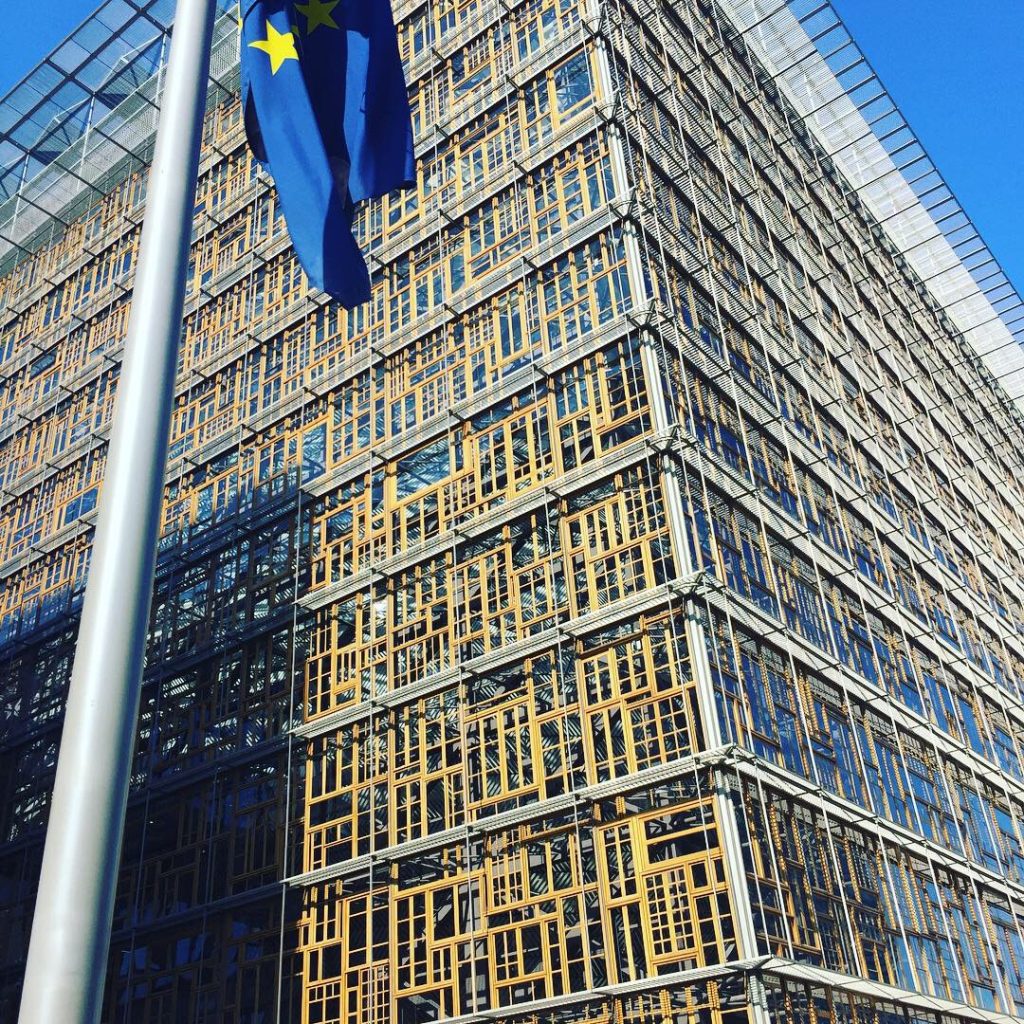
He made the remarks on his way into the European Council building, where the leaders of the 27 member states are discussing the Union’s new seven-year budget and funding for Ukraine in 2027. According to the Kyiv Independent, Christodoulides referred to a report by the EU’s special envoy for sanctions, David O’Sullivan, in which, in the Cypriot president’s words, Turkey stands out as the country with the largest number of violations. The outlet was unable to obtain confirmation of the document from the European Commission. Christodoulides added that Cyprus will support efforts to agree new funding for Kyiv.
The president also drew a direct parallel with the fate of his own country. Cyprus, he said, understands better than many what an illegal invasion like Russia’s means: the northern part of the island has been under Turkish occupation since 1974.
A Middleman Keeping Two Sets of Books
Countries seeking to join the European Union are obliged to align with its foreign policy, including the more than 4,700 sanctions imposed over the war against Ukraine. Moldova has already approved a roadmap for full alignment by the end of 2027. Ankara has chosen a different path. It does not apply EU sanctions, arguing that it recognises only decisions of the UN Security Council, while building a profitable role for itself as an intermediary between Moscow and the West.
Brussels, meanwhile, is taking an increasingly firm line on the third countries used to get around the restrictions. Draft documents for the new 22nd package, seen by the Kyiv Independent, propose adding nine Turkish companies to the sanctions list. Against Kyrgyzstan the EU intends, for the first time, to apply a measure covering an entire state, for helping Russia evade financial restrictions through cryptocurrencies. At the same time, Novatek chief Leonid Mikhelson told Russian television about a contract to supply liquefied natural gas to a Turkish buyer, without disclosing any details. The EU ban on Russian LNG enters into force on 1 January 2027.
Nicosia’s Consistent Line
The subject is not new for Christodoulides. As early as December 2025, ahead of the Cypriot presidency of the Council of the EU, he presented European leaders with data on sanctions violations involving Turkey, having first shown it to Volodymyr Zelensky in Kyiv. Nicosia has also long insisted that EU defence money should not go to states that occupy or threaten the territory of EU members.
The logic is simple. Every go-between that lets machine tools, electronics and dual-use components reach Russia prolongs the war and pays for the missiles that strike Ukrainian cities. Sanctions only work when there is no back door, and Cyprus, which has lived through an invasion itself, says so louder than others.
Read also on CDN:
Christodoulides After Talks with Fitto: The Cyprus Problem and Turkey’s European Path Are Already Linked
European Commission Unveils 22nd Sanctions Package: SWIFT Cut-Off for 60 Banks, Shadow Fleet and Visa Ban for War Participants (in Russian)