
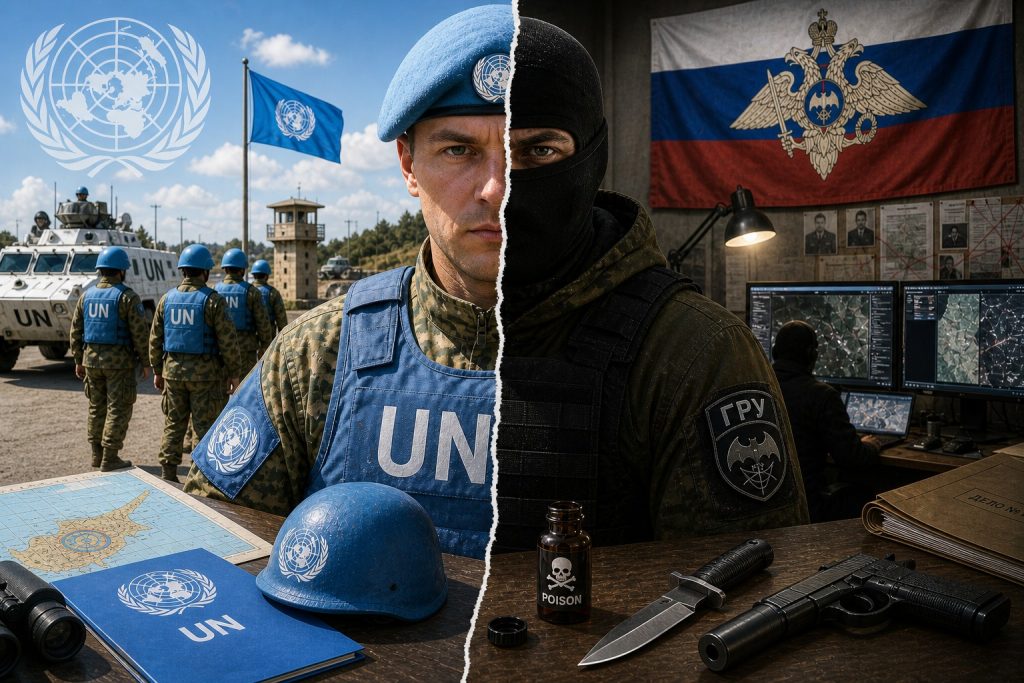
Russian intelligence agencies exploit every opportunity to infiltrate their officers into international organizations and structures around the world. UN peacekeeping forces are no exception. Analysis of open-source data and leaks from Russian databases indicates that among the military personnel of the Russian contingent in the UN mission in Cyprus are officers of military intelligence—the GRU—as well as individuals possibly implicated in war crimes in Ukraine.
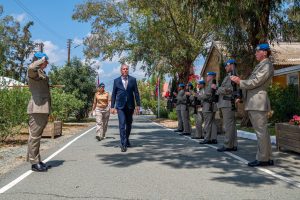
On February 12, a group photo was posted on the official Facebook page of the Russian Embassy in Cyprus. It shows the Ambassador of the Russian Federation, FSB Lieutenant General Murat Zyazikov, alongside the UN Special Representative in Cyprus, Hassim Dian, and Russian military personnel—members of the UN peacekeeping contingent on the island.
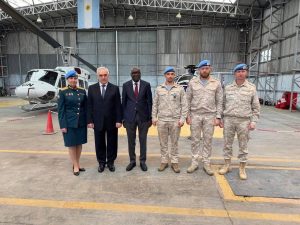
A review of the biographies of the Russian officers pictured revealed some interesting details.
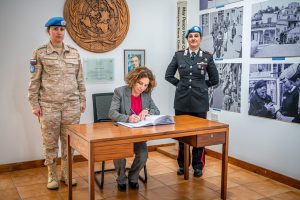
The female servicemember pictured to the left of Zyazikov is Lyubov Andreevna Pariy, born June 7, 1993.
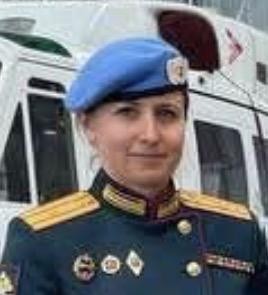
She was born into a military family in Semipalatinsk-21 (now Kurchatov)—a former closed military-scientific center that served as the administrative and residential hub of the Semipalatinsk nuclear test site. Her entire background points to deep roots in the military system.
According to leaked data, she was once registered in Morozovsk—a city where one of Russia’s key military airfields is located. Later, her place of registration became military unit 77417 in Kolomna—a training and research support center for the Missile Forces and Artillery of the Russian Ministry of Defense.
In 2016, Lyubov Pariy graduated from the Foreign Languages Department of the Military University of the Russian Ministry of Defense with honors, earning a degree as a “referent-translator.”
This department is one of the key educational institutions preparing officers for service in the GRU. Its graduates are specifically trained for work in military intelligence, where linguistic skills play a critical role in both human and technical intelligence.
Far right in the photo is Airborne Forces officer Sergei Vladimirovich Ladinsky, born May 3, 1979.
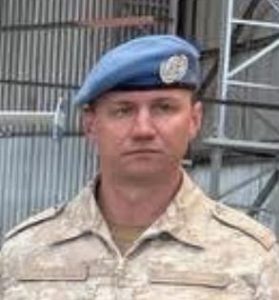
He is assigned to the 31st Separate Guards Airborne Assault Brigade (military unit 73612)—one of the most actively engaged units in the war against Ukraine. From the first days of the full-scale invasion in February 2022, the brigade participated in an airborne operation at the Gostomel airfield near Kyiv, suffering significant losses; fought for Volnovakha in the Donetsk region; and took part in the capture of Mariupol. The brigade also operated in Bucha and Irpin—towns that have become symbols of the Russian army’s mass atrocities and is repeatedly mentioned in war crimes investigations, including allegations of killings of civilians. Ladinsky himself also took part in combat operations against Ukraine and may be implicated in war crimes.
Second from the right is Airborne Forces officer Pavel Olegovich Fokin, born December 10, 1993.
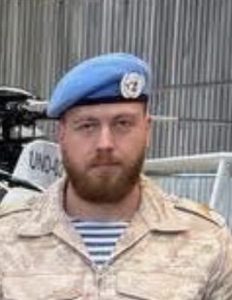
Assigned to the 56th Airborne Assault Regiment of the 7th Guards Airborne Assault Division, military unit 74507. The regiment has been actively participating in the war against Ukraine since 2022. It operated in the Kyiv sector in February–March 2022, then was redeployed to the east of the country, where it fought heavy battles in the Donetsk and Luhansk regions, including near Bakhmut and Avdiivka. The regiment is among the Airborne Forces units that have suffered the heaviest losses.
The unit has repeatedly been implicated in investigations of war crimes. Ukrainian military intelligence has published data identifying regiment personnel as individuals involved in crimes against the civilian population. The regiment is mentioned in lists of units operating in areas of the Kyiv region in the spring of 2022 and in eastern Ukraine, where killings of civilians, looting, and torture were recorded.
Fokin himself also took part in combat operations against Ukraine and may be implicated in war crimes.
Third from the right, next to the head of the UN mission in Cyprus, is Roman Albertovich Chekin, a Russian military intelligence officer, born September 26, 1992.
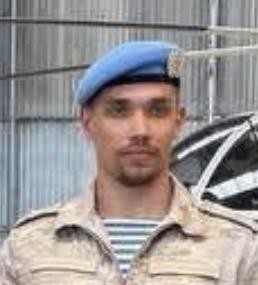
Assigned to the military intelligence of the Russian Federation—GRU. According to data from leaks of Russian databases, he underwent training at the GRU Academy and was registered at the academy’s dormitory at the following address: Moscow, Narodnogo Opolcheniya St., Bldg. 52, Block 2, Apt. 3
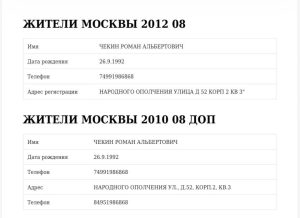
It follows that at least two people in the photograph, Pariy and Chekin, are officers of Russian military intelligence—GRU.
Major Lyubov Pariy is present at all official ceremonies welcoming guests at the peacekeeping base, as well as during negotiations between officials and the mission leadership. This means that Russian military intelligence receives detailed information about everything discussed during these meetings.
The cases described give reason to believe that such practices are not limited to Cyprus. In other UN peacekeeping missions where a Russian contingent is present, GRU officers may also be serving, whose true mission is not peacekeeping but the collection of intelligence and the conduct of sabotage operations. It is also possible that military personnel involved in war crimes in Ukraine are present, against whom international justice must be applied for the crimes they have committed.