
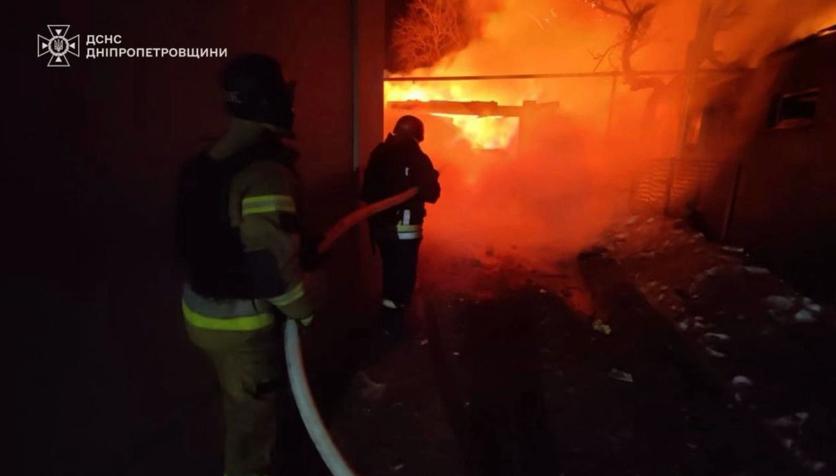
The beginning of February provided further confirmation that Russia is not abandoning its tactics of terrorizing the civilian population. Once again, drone and missile strikes targeted not military facilities, but places where people live, work, and try to survive in wartime conditions.
On February 1, a Russian drone attacked a maternity hospital in Zaporizhzhia. This facility is under special protection under international law. Almost simultaneously, Russian troops struck a bus carrying miners in the Dnipropetrovsk region. Civilians who were on their way to work were killed — not to the front, not to a military base, but to a mine, to earn a living for their families through their labor.
These episodes are only a small part of the horror, death, and destruction that the population of Ukraine has been living with for four years now. In January alone, Russia used thousands of strike drones, aerial bombs, and various types of missiles throughout the country. The main targets of the attacks were and remain energy facilities, the railway network, and other critical infrastructure. In fact, this is a deliberate attempt to deprive millions of people of electricity, heat, and water during the coldest period of the year.
This is not a side effect of the war, but a deliberately chosen strategy that pursues several goals at once: undermining the stability of Ukrainian society; to inflict long-term damage on the economy; to put pressure on the civilian population with the aim of forcing it to influence the country’s leadership and persuade it to make concessions to the aggressor, including imposing «peace» on Moscow’s terms. However, the massive air strikes also demonstrate something else: the Kremlin has no intention of ending the war and in fact rejects any peace initiatives, relying on coercion through fear, destruction, and mass terror.
Targeted strikes on energy infrastructure in winter can only be seen as a war crime against humanity and an attempt to destroy an entire nation. Under international law, such actions are considered genocide — the destruction of a national group by creating unbearable living conditions.
It is no coincidence that there are calls at the international level for a separate investigation into these attacks. This is no longer a matter of isolated incidents, but of large-scale bloody crimes that are repeated on a daily basis and have become a terrible routine for Ukrainians — the daily reality of Moscow’s aggression, terrifying in its cruelty.
Every day, Ukraine appeals to its partners to strengthen its air defense systems. To this end, it is necessary to urgently, without protracted discussions, provide the Armed Forces of Ukraine with additional missiles for Patriot, NASAMS, and similar systems. It is equally important to invest immediately in the production of interception means, including drones, and to provide immediate emergency energy support in the face of severe winter cold.
However, technical and military support alone is not enough. Without constant sanctions and political pressure, the Kremlin remains confident that terror against the civilian population will bring it the desired result.
Targeted aerial bombardment of residential buildings and civilian infrastructure in Ukrainian cities is a challenge not only to Ukraine but to the entire international security system. When strikes on maternity hospitals, buses, and power stations are met with no strong international response, the boundaries of what is acceptable become blurred. The Kremlin leadership is taking advantage of this, becoming increasingly confident in its own impunity.
Today, the situation is crystal clear: either the international community will increase economic and diplomatic pressure on Moscow, as well as military support for Kyiv, or Russia’s unchecked aggression will spread beyond Ukraine and descend upon cities in the European Union. Delay is unacceptable — Moscow is already making open statements about the need to invade NATO countries. The only force that is currently holding back the Kremlin from moving westward is the Ukrainian people and their army.
History has repeatedly shown the catastrophic consequences of indecision in the face of aggressive dictatorships.