
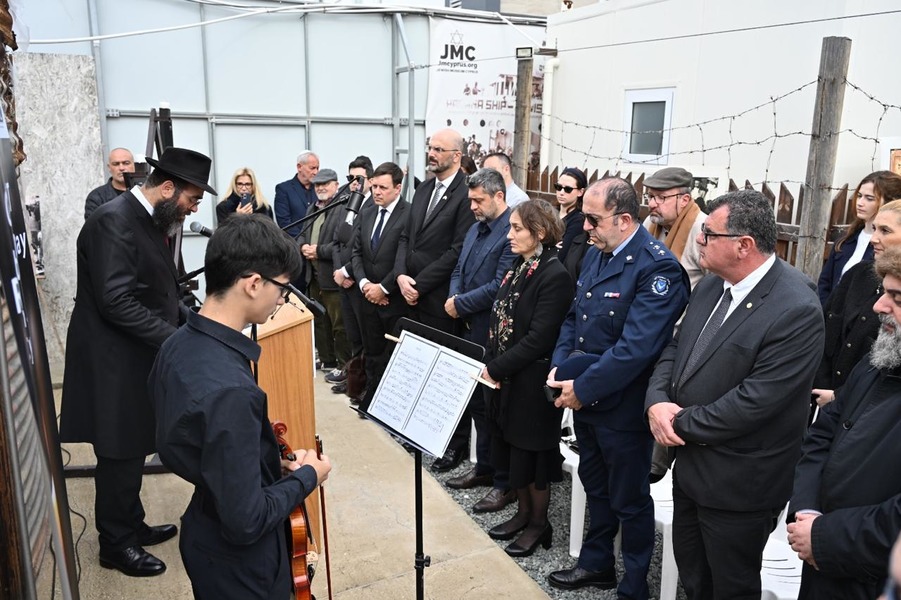
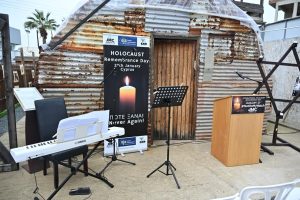
On January 27, 2026, a Holocaust Memorial Remembrance event was held in Larnaca to mark International Holocaust Remembrance Day. The gathering became one of the most significant public commemorations of the year, dedicated not only to the tragedy of the Shoah but also to the urgent challenges posed by the rising tide of antisemitism in Europe and around the world.
The event took place at the Jewish Museum of Cyprus and brought together a truly international and distinguished audience. Among those present were diplomats and ambassadors accredited to Cyprus, representatives of the Cypriot Parliament, military officials, community leaders, Holocaust survivors and their descendants, as well as members of the wider public. Their presence sent a clear message: the memory of the Holocaust is a shared responsibility that transcends communities, borders, and generations.
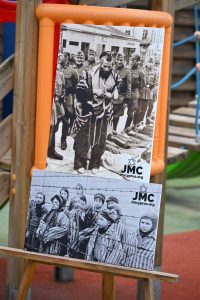
In their addresses, speakers reflected on the systematic murder of six million Jews and millions of other victims by the Nazi regime and its collaborators. Particular attention was given to Cyprus’s own historical connection to the Holocaust era. Speakers recalled the British detention camps at Karaolos and Xylotymbou, where thousands of Jewish survivors were held after World War II. These camps became places where bonds of solidarity were forged between Cypriots and Jewish refugees—bonds that continue to resonate today.
One of the most moving moments of the program was the performance of “Ani Ma’amin” (“I Believe”), the anthem of unbreakable faith composed amid the horrors of the Holocaust. Born in a cattle car on the way to Treblinka and carried forward through acts of extraordinary courage, the melody resonated deeply with the audience. Its meaning felt especially poignant in light of recent events. Just one day earlier, on January 26, 2026, Israeli soldiers sang “Ani Ma’amin” while recovering and repatriating the body of Sergeant Ran Gvili, the last remaining Israeli hostage from the October 7, 2023 attacks. His return to Israel for burial marked a final and painful homecoming, echoing the same defiant hope that has sustained Jewish resilience across generations.
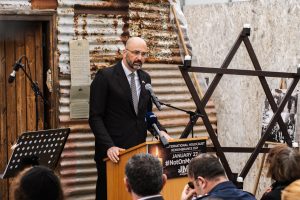
Throughout the evening, speakers stressed that remembrance must go beyond ritual. Learning from the darkest chapters of history is essential to confronting antisemitism today—whether it appears as open hatred, subtle prejudice, conspiracy theories, historical denial, or dangerous indifference. As one speaker emphasized, “Remembrance is not passive. It is a moral imperative: to educate, to protect the vulnerable, and to stand united against intolerance.”
The event concluded with the launch of the #NotOnMyWatch campaign, a new initiative by the Jewish Museum of Cyprus aimed at turning memory into action. Each attendee received a candle symbolizing both the lives lost and the endurance of hope. Participants were invited to light their candle at home, photograph the flame, and share it on social media using the hashtag #NotOnMyWatch—publicly affirming that antisemitism will not be tolerated on their watch. This simple yet powerful gesture extends the message of the commemoration far beyond January 27, encouraging personal and collective responsibility worldwide.
“The light we kindled together—through words, music, memory, and these candles—will continue to shine against the darkness,” the organizers noted in closing.
The Jewish Museum of Cyprus expressed its heartfelt gratitude to all attendees, participants, and supporters who made the commemoration a meaningful step toward vigilance, compassion, and a future free from hatred.
For more information about the #NotOnMyWatch campaign, upcoming exhibitions, or ways to support Holocaust education, visit jmcyprus.org.
Never Again. #NotOnMyWatch.